









Know about e-cigarettes
Feb
Part 1: What is electronic cigarette
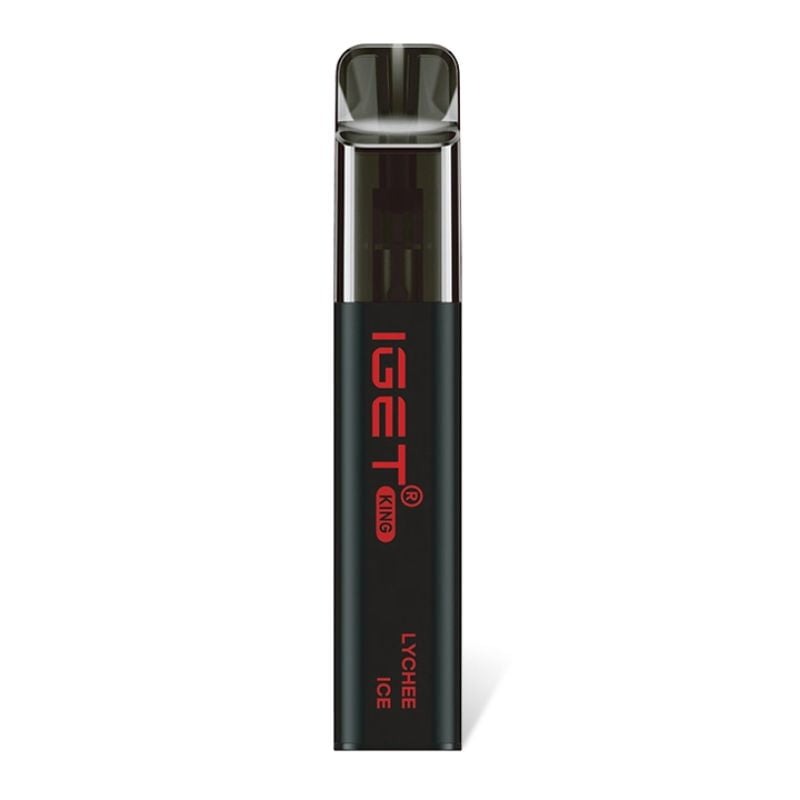
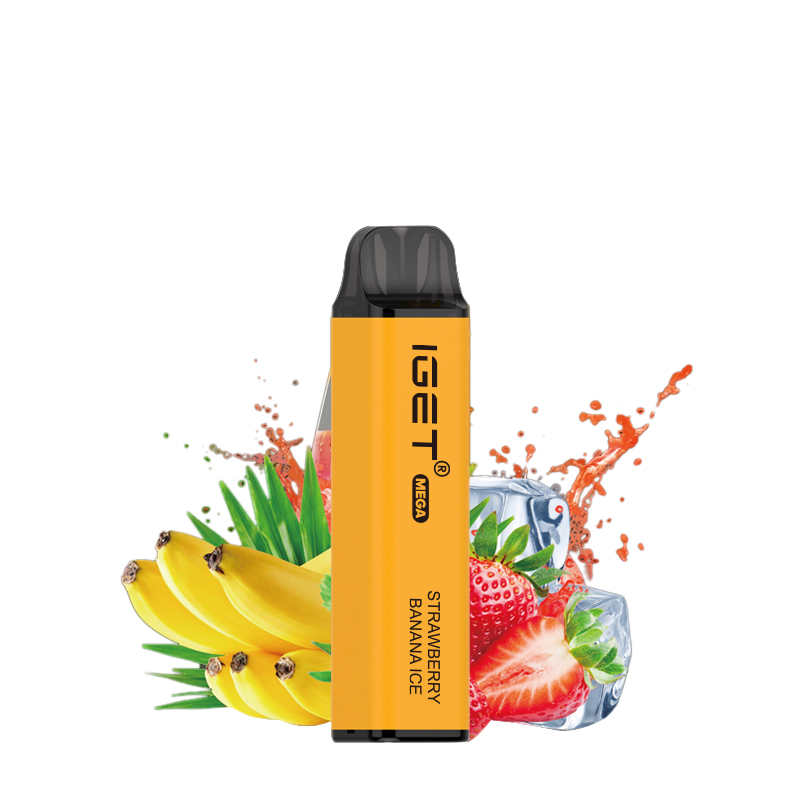
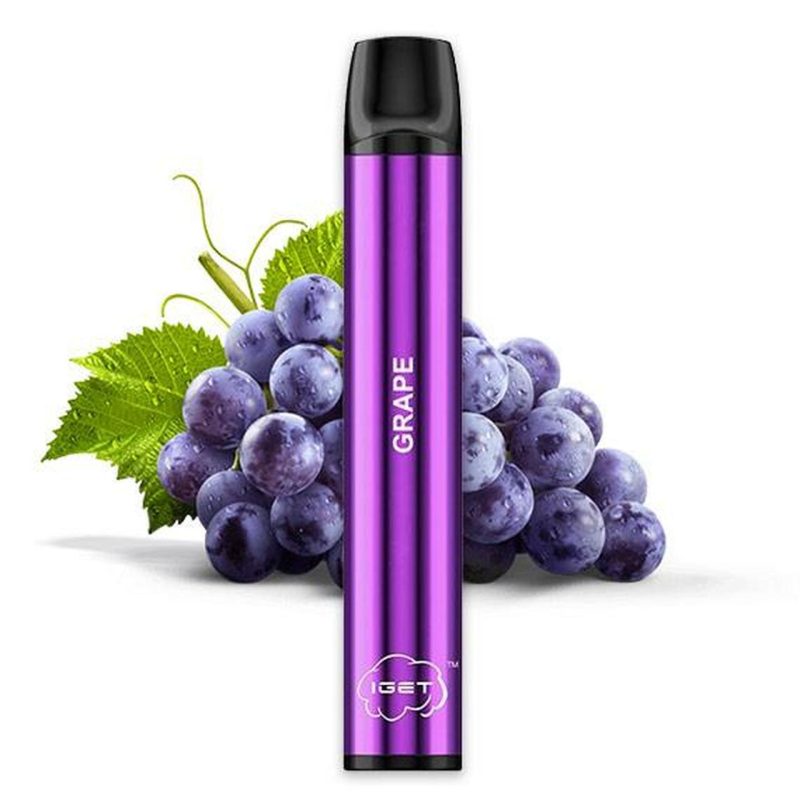
Most of the current mainstream e-cigarettes (E-cigarettes) use an atomizer (vaporator) to turn liquid into vapor, simulating the feeling of smoking. Because there is vapor between puffs and puffs, e-cigarette enthusiasts often call themselves vapers.
Common atomizer electronic cigarettes
The principle of atomizer-type e-cigarettes, specifically, is powered by a lithium battery, so that the liquid is turned into water vapor through the atomizer, and similar smoke is produced when simulating smoking, which is not much different from cigarettes. An atomizer is usually a heating electronic element including a coil and cotton. The liquid added to it is commonly known as e-liquid, and some vapers call it “juice”. E-juice typically contains propylene glycol, vegetable glycerin, flavorings, and nicotine, but even vegetable glycerin alone can be used, and flavors and nicotine are optional.
In theory, replacing traditional cigarettes with electronic cigarettes can greatly reduce the health hazards of smokers and the possibility of fire, and may be used as a safe nicotine substitute. E-cigarette sellers generally sell in the name of cigarette substitutes, and some in the medical profession believe that this will be a potential substitute.
Since e-cigarettes are new products, most countries have no clear laws against e-cigarettes, and lack of monitoring of product quality, nicotine content and sales channels, making it difficult to play the advantages of e-cigarettes at present, even if you buy problematic e-liquids , There is the possibility of inhaling high doses of nicotine, or formaldehyde, acetaldehyde.
Part 2: History of Electronic Cigarettes
A fact you may not have expected: Although someone made a prototype of an e-cigarette a long time ago, the modern e-cigarette we see now was not invented until 2004. Not only that, but this seemingly foreign-style product is actually “exported to domestic sales”.
American Herbert A. Gilbert obtained a patented design for a “smokeless, non-tobacco cigarette” in 1963. The device heats liquid nicotine to generate vapor, imitating the feeling of smoking. In 1967, several companies tried to produce this type of e-cigarette, but because the harm of cigarettes had not been paid attention to by the society at that time, this project was not really commercialized in the end.
In 2000, Dr. Han Li in Beijing, China, proposed to dilute nicotine with propylene glycol and atomize the liquid with an ultrasonic device to produce a water mist effect (actually, atomized gas is generated by heating).
The user can use this to inhale the nicotine-containing mist into the lungs and deliver nicotine to the blood vessels. Among them, the liquid nicotine diluent is stored in a device called a pod for easy portability. This is the prototype of modern electronic cigarettes.
In 2004, Han Li obtained the invention patent of this product, and began to commercialize it in the following year, and it was sold by China Ruyan Company. With the popularity of anti-smoking campaigns abroad, e-cigarettes have also flowed from China to Europe and the United States; and in recent years, major cities in China have begun to implement strict smoking bans, and e-cigarettes have gradually become popular in China.
Recently, there is another type of e-cigarette, which generates smoke by heating tobacco with a heating sheet. Since there is no open flame, it will not produce carcinogens such as tar produced when cigarettes are burned. This is what I’m smoking.